Be Prepared – Ephesians 5:15-17

Prepared_For_Life“Pay careful attention, then, to how you walk—not as unwise people but as wise— making the most of the time, because the days are evil. So don’t be foolish, but understand what the Lord’s will is” (Ephesians 5:15-17, HCSB).

One of the recurring themes in my book, The Kingdom Order: Living for the Future in the Present, is that we should live our life in the present as though it is preparation for eternity. We must allow our hope for an eternal future to impact the way we live in our present reality.

Continue reading

The Eternity Connection – 2 Samuel 14:14

connected_hearts“All of us must die eventually. Our lives are like water spilled out on the ground, which cannot be gathered up again. But God does not just sweep life away; instead, he devises ways to bring us back when we have been separated from him” (2 Samuel 14:14, NLT).

These words were spoken to King David by a woman with a reputation for great wisdom (vs. 2). With advice from this wise woman, King David was persuaded to reconcile with his son, Absalom.

Continue reading

What’s In a Name? – Isaiah 56:5-6

rose“I will give them, in My house and within My walls, a memorial and a name better than sons and daughters. I will give each of them an everlasting name that will never be cut off. And the foreigners who join themselves to the Lord minister to Him, love the name of ‘Yahweh’ and become His servants” (Isaiah 56:5-6, HCSB).

The Shakespearian character, Juliet asked Romeo: “What’s in a name? That which we call a rose by any other name would smell as sweet.” Juliet’s question means that what really matters is not what someone is called but what someone is.

Continue reading

In Defense of Hell – Romans 1:32

hellsflames“They know God’s justice requires that those who do these things deserve to die, yet they do them anyway. Worse yet, they encourage others to do them, too” (Romans 1:32, NLT).

There’s been a lot of controversy lately among Christians on theological questions about universal salvation, hell, and who occupies it (or not). While an exhaustive discussion of these theological issues is beyond the scope of this blog (and beyond the capability of this amateur theologian), I would, however, like to submit a short defense of hell.

Continue reading

What Are You Doing With Your Immortality? – I Corinthians 15

will-work-for-god

“What you sow does not come to life unless it dies. And as for what you sow–you are not sowing the future body, but only a seed, perhaps of wheat or another grain. But God gives it a body as He wants, and to each of the seeds its own body…For this corruptible must be clothed with incorruptibility, and this mortal must be clothed with immortality…Therefore, my dear brothers, be steadfast, immovable, always excelling in the Lord’s work, knowing that your labor in the Lord is not in vain” (1 Corinthians 15: 37,53-54,58, HCSB).

Some in the Corinthian church were apparently denying the resurrection from the dead. The Apostle Paul argued that all they believe is in vain if there is no resurrection from the dead: “If we have put our hope in Christ for this life only, we should be pitied more than anyone” (vs. 19).

Paul informed the Corinthians that Jesus was indeed resurrected and appeared to all the apostles and on one occasion appeared to more than 500 people!

Continue reading

Boo! – Luke 24:36-37

no-ghosts“And just as they were telling about it, Jesus himself was suddenly standing there among them. Peace be with you, he said. But the whole group was startled and frightened, thinking they were seeing a ghost!” (Luke 24:36-3,

After Jesus appeared to two of His followers on the road to Emmaus, He made another appearance to the eleven apostles and others gathered with them in Jerusalem at the very time these two were telling them about His appearance on the Emmaus road.

Continue reading

Grave Diggers – Luke 24:5-6

grave_digger_bw“Then the men asked, Why are you looking among the dead for someone who is alive? He isn’t here! He is risen from the dead!” (Luke 24:5-6, NLT).

After Jesus was crucified one of the Jewish religious leaders, Joseph of Arimathea, removed His body from the cross and placed it in a new tomb carved out of rock. It was a tomb that Joseph had probably purchased as a family tomb in much the same way that we pre-arrange burial plots and funerals.

Continue reading

The Immortals – Luke 20:27-40

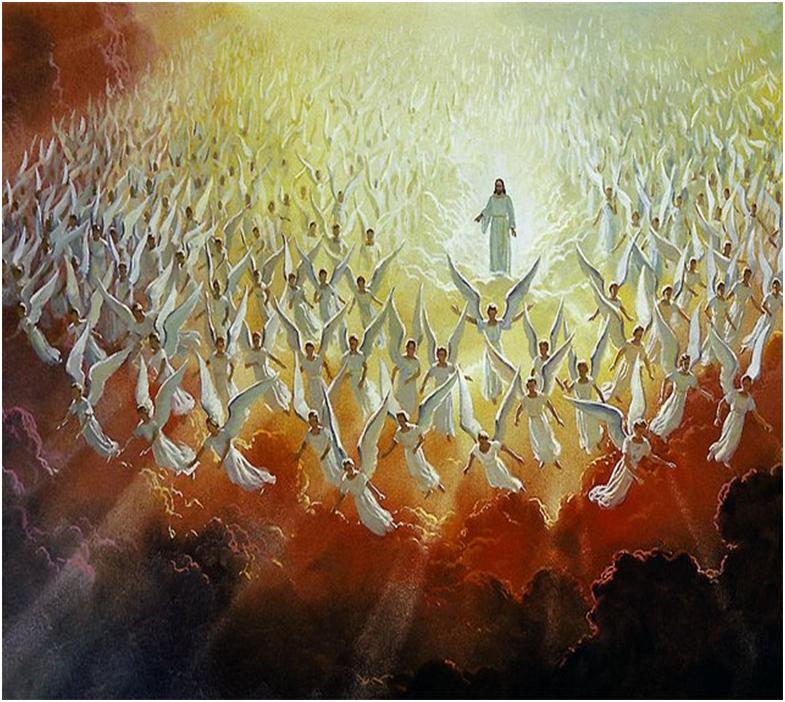
Jesus-angels“Jesus replied, Marriage is for people here on earth. But in the age to come, those worthy of being raised from the dead will neither marry nor be given in marriage. And they will never die again. In this respect they will be like angels. They are children of God and children of the resurrection” (Luke 20:34-37, NLT).

The Sadducees were a branch of Judaism that did not believe in the resurrection of the dead. To refute the doctrine of the resurrection of the dead, they posed an ad absurdum argument to Jesus regarding a woman widowed seven times.

Continue reading

Jumping Upside Down – Luke 17:33; 18:14

girl-jumping-upside-down“If you cling to your life, you will lose it, and if you let your life go, you will save it…For those who exalt themselves will be humbled, and those who humble themselves will be exalted.” (Luke 17:33; 18:14, NLT).

In Luke 17 Jesus told His disciples about His second coming to earth and how those that try to hold on to their life in this world will lose it in the end.

In Luke 18 Jesus told the story of a Pharisee who prayed he was thankful he was not sinful like other men, while a certain tax collector prayed and called on God to have mercy on him as a sinner. Jesus exposes the prayer of the Pharisee as self-exalting.

Continue reading

Death Wish – Ecclesiastes 7:2-4

thinkingaboutdeath“A good reputation is more valuable than costly perfume. And the day you die is better than the day you are born. Better to spend your time at funerals than at parties. After all, everyone dies—so the living should take this to heart. Sorrow is better than laughter, for sadness has a refining influence on us. A wise person thinks a lot about death, while a fool thinks only about having a good time” (Ecclesiastes 7:2-4, NLT).

The Teacher had a good understanding about human nature when he penned these words in the book of Ecclesiastes.

Continue reading