
 “The Lord is good, a haven in a day of distress. He acknowledges those who take refuge in him. With a rushing flood, he will utterly destroy her place and pursue his enemies into darkness” (Nahum 1:7-8, CEB).
Nahum prophesied during a time when Judah was attempting to gain independence from its Assyrian overlords. His prophecy foretold the destruction of the Assyrian capital of Nineveh.
Nahum begins his prophecy on the downfall of Assyria by laying a theological framework describing the character of God. In verse 1 Nahum says God is jealous and vengeful, full of wrath, and rages against His enemies. He says that although God is great in power, God is calculating and severe when administering justice: “Who can stand before his indignation? Who can confront the heat of his fury?” (vs 6).


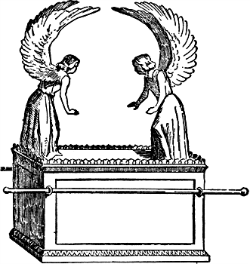 “The man said to Eli, ‘I am the one who came from the battle line. Indeed, I escaped from the battle line today.’ And he said, How did things go, my son?” Then the one who brought the news replied, ‘Israel has fled before the Philistines and there has also been a great slaughter among the people, and your two sons also, Hophni and Phinehas, are dead, and the ark of God has been taken'” (1 Samuel 4:16-19, NASB).




 Steve's Bible Meditations